Memberships and loyalty schemes get talked about as if they're the same thing. They aren't. On the surface they both reward repeat custom, but underneath they sit on opposite sides of a structural divide: one earns revenue before the visit, the other delivers a discount after. That difference shapes everything — cashflow, customer relationships, and how the shop feels day to day.
The definitions
Loyalty programmes reward customers for spending. Stamp cards, points, "buy nine get the tenth free" — the customer spends, and the business gives something back, usually as a discount on a future purchase. The reward is reactive and the value flows after the transaction.
Memberships charge customers a recurring fee in exchange for ongoing benefits. Members pay £40 a month and get something every visit — an included drink, priority booking, member-only items. The relationship is contractual and value flows in both directions on a known cadence.
The structural difference
Loyalty is reactive: it kicks in only when a customer chooses to come back. If they don't, the scheme does nothing. The shop earns revenue, then gives some of it back later if the customer keeps showing up.
Membership is structural: revenue arrives whether or not the customer visits this week. The relationship exists in calendar form, not in transaction form. A member who's away on holiday for a fortnight still pays.
That single difference has knock-on effects across the rest of the shop's economics.
Revenue predictability
With a loyalty scheme, revenue is whatever the till delivers that day. The scheme might nudge frequency up by 10–15%, but the variance week to week is the same.
With a membership, you start each month with a known floor. Fifty members at £40/month means £2,000 of revenue is locked in before the doors open on the first. That floor lets you plan rent, payroll, and stock with a different kind of confidence. We covered this in more depth in recurring revenue, explained for independent businesses.
Customer psychology
Members and stamp-card collectors think about your shop differently.
A stamp-card customer is calculating a discount. Each visit is its own decision: is the coffee worth it today? The card is a small reward at the end of a long string of choices, and most cards never get filled.
A member has already decided. They paid the fee, so the question shifts from "should I come in today?" to "have I used my membership this week?" That mental switch is the most important one in the entire economic comparison. Members are inside the relationship; loyalty customers are outside it, deciding each time.
That mental shift is what changes the frequency: members come back more often than the same person did before they joined, because the membership has already turned the visit into the default option.
Margin economics
Loyalty schemes give away margin. The free 10th coffee is a real cost: cost-of-goods plus opportunity cost of the slot. The discount is delivered exactly when the customer was already most likely to come in.
Memberships sell margin. The customer pays upfront for the right to use a perk; the shop prices it deliberately around cost-of-goods and a usage cap. Properly priced, a membership improves blended margin per customer rather than eroding it. We dug into the maths on pricing a membership.
The friction comparison
Stamp cards live in customers' wallets and get lost. Apps with points need installing, opening, and remembering which login you used. Memberships through PerkClub live in Apple Wallet or Google Wallet, scanned with a QR code at the counter — no app, no login, no card to lose.
We've broken down the comparison with paper-based loyalty in detail on memberships vs stamp cards, and the comparison with bigger SaaS loyalty platforms on memberships vs loyalty platforms.
When loyalty might still make sense
Loyalty isn't always wrong. There are specific contexts where stamp cards or points outperform memberships:
- Very low ticket sizes — if your average sale is £2 and customers come in three times a week, a £40/month membership doesn't slot in cleanly. Loyalty is a better fit.
- Highly occasional purchases — for a business where customers visit twice a year (e.g. seasonal florists with one-off occasions), a recurring fee doesn't match the customer's pattern.
- Single-product, single-location shops on the lightest possible ops — some shops genuinely just want a stamp on a card. There's no shame in keeping things simple.
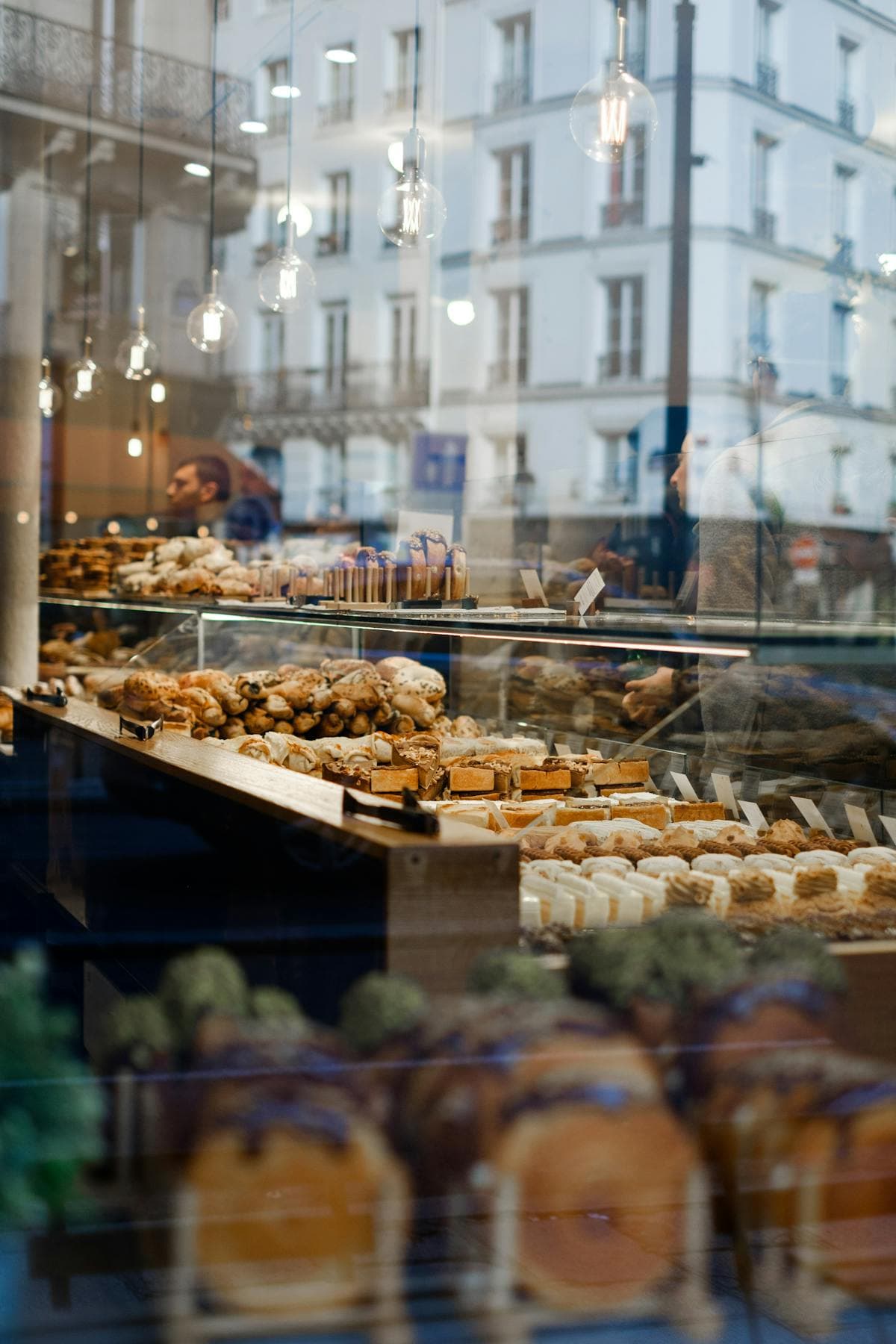
For most independent shops with a regular weekday rhythm — coffee shops, barbers, florists, salons, bakeries — the maths and the customer psychology both favour membership over loyalty.
You can run both, briefly
Some shops keep their stamp card running for a few months while the membership grows, then quietly retire it once a critical mass of regulars has converted. That's fine. Just be deliberate: don't stack so many schemes on top of each other that staff can't explain what the shop offers.
The right model for your shop
If your shop has a regular cadence — daily, weekly, monthly visits — a membership earns more, predicts better, and feels more meaningful to your best customers than any loyalty scheme. Use the calculator on the pricing page to see what 50 members would do for your monthly revenue, then design your first plan.