Membership perks aren't created equal. The perks that drive renewal are the ones members actually use, not the ones that look generous on paper. This piece walks through which perk types work, which ones quietly kill memberships, and what to include in a first plan for an independent shop.
The three categories of perk
Every membership perk falls into one of three buckets:
- Daily-use perks — things members consume frequently. The engine of habit.
- Status perks — low-cost feel-good extras that signal members matter.
- Occasional perks — discounts on rare purchases. Mostly forgettable.
A good membership leans heavily on the first two and avoids the third.
Daily-use perks: the habit engine
Members renew because the membership becomes part of their day. If a member walks past your shop and thinks "I've already paid for this", they'll come in. If they don't think that, they won't. Daily-use perks create that thought.
The best daily-use perks share three qualities:
- Frequent — usable at least 3–5 times a week, ideally daily.
- Habitual — slot into something the customer already does (morning coffee, weekly groceries, monthly haircut).
- Capped — clear limits (one per day, one per week) so you can predict margin.
Examples that work: one filter coffee per day at a coffee shop. A weekly seasonal bunch at a florist. A monthly haircut at a barber. A daily pastry at a bakery. We go deeper on per-industry ideas on the coffee shops, barbers, and florists pages.
Status perks: the cheap-but-meaningful layer
Status perks cost almost nothing to deliver but make membership feel worth it on the days members aren't using their main perk. The trick is finding things you can give away that cost you very little.
Strong status perks include:
- Priority booking — early access to weekend slots at a salon or barber.
- Members-only seasonal items — a special pastry or limited blend.
- Free upgrades — oat milk free, large size for the price of regular.
- Skip-the-queue — members order ahead, collect first.
- Birthday treats — automatic on the day, no claim needed.
- Early-access events — invite members to tastings, late-nights, or new launches first.
Status perks are the difference between a membership that feels like a discount card and one that feels like a club. The word "club" is doing real work here — members like belonging to something.
Perks to avoid
Some perks look attractive on a poster but actively damage membership economics. The common offenders:
Percentage discounts on rare purchases
"20% off all framing" sounds great until you realise customers buy framing twice a year. The discount is forgotten between visits, no habit forms, and the membership feels like money down the drain. Percentage discounts work poorly without a high-frequency anchor perk underneath.
Vague "exclusive offers" promises
"Special offers throughout the year" creates an expectation you have to meet on a rolling basis. Most shops can't, members feel forgotten, and renewal craters. If you commit to something, commit to a specific cadence members can predict.
Caps too tight to use comfortably
Capping a coffee perk at "10 per month" sounds generous but creates anxiety — members track usage instead of just enjoying it. "One per day" is psychologically much cleaner. Same total ceiling, completely different feel.
Free items that erode the core sale
Don't make your bestselling item free without thought. If your £4 flat white is your margin-maker, build the membership around it carefully. Use cost-of-goods caps, not retail-price thinking, to set the cost basis. We cover this maths in detail in our piece on pricing a membership.
Industry examples that work
Coffee shops
Anchor: one filter coffee per day, capped daily. Status: free oat milk, a 15% discount on food, members-only seasonal blend launches. Price: £30–£50/month.
Barbers
Anchor: one haircut every four weeks. Status: priority weekend slots, free beard trim between cuts, 15% off product. Price: £40–£60/month.
Florists
Anchor: a weekly seasonal bouquet, collected or delivered. Status: 10% off bigger arrangements, members-only workshops, first access to dried-flower drops. Price: £75–£110/month.
Salons
Anchor: a monthly blow-dry or treatment. Status: priority booking, included consultation time, 15% off product. Price: £45–£70/month depending on tier.
Bakeries
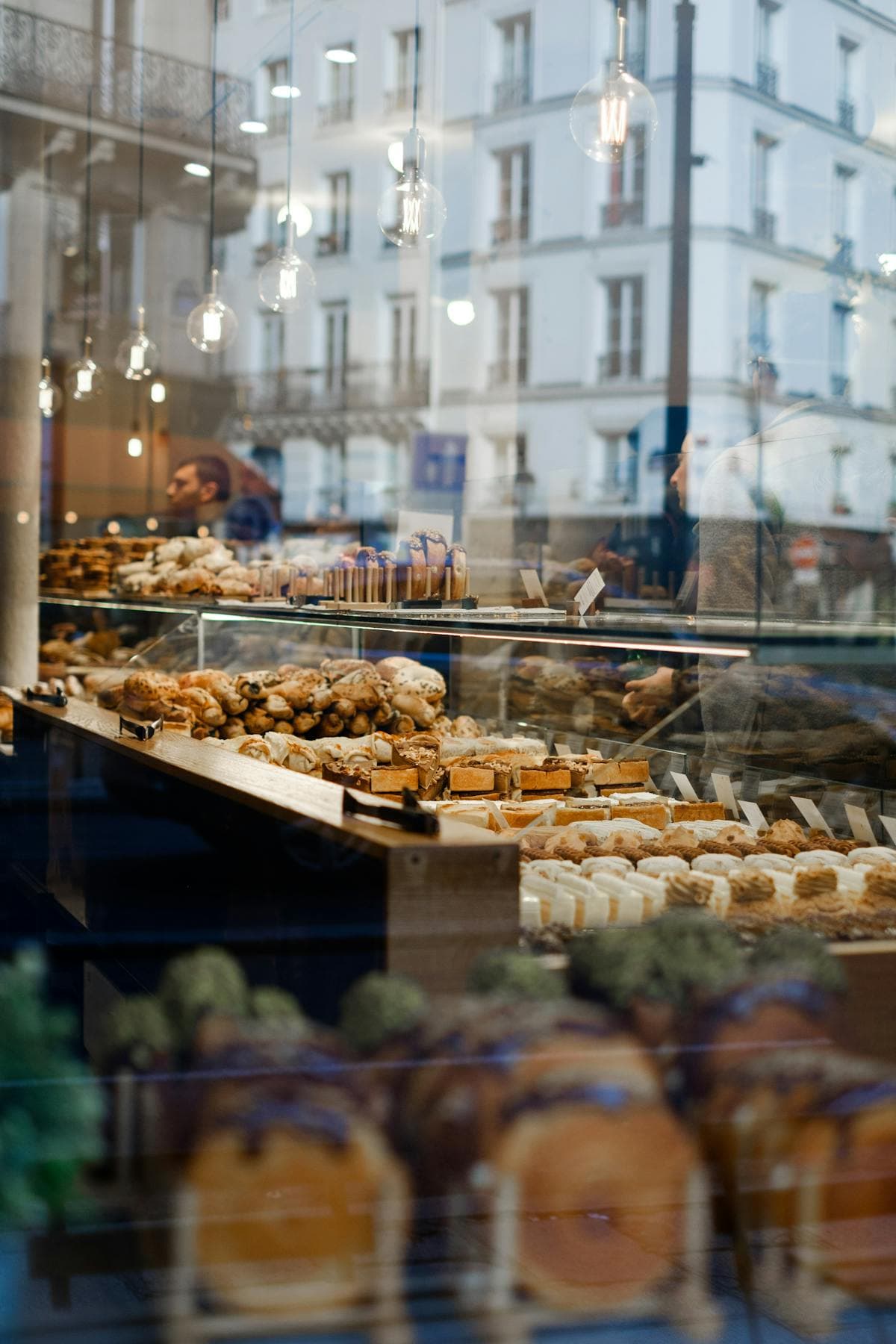
Anchor: a daily pastry or weekly loaf. Status: members-only Saturday specials, early-access seasonal items, 10% off whole cakes. Price: £32–£45/month.
Test by redemption rate, not signups
The signal that a perk is working isn't how many people sign up — it's how often they redeem in month two and three. PerkClub's dashboard shows redemption frequency per perk; the perks members come back for repeatedly are the ones to keep. The ones with declining redemption are the ones to cut.
Build your first plan
A working membership usually has one anchor perk, two status perks, and a clear monthly price. That's it. Skip the temptation to add a long list — long lists confuse new members and dilute the headline. Use the dashboard to design your first plan in 30 minutes, then check the pricing on the pricing page to see what your first 100 members would mean for monthly revenue.