Short answer. A barbershop membership that actually fills quiet days is built around four design choices: (1) day or time restrictions ("Tuesday or Wednesday only", or "before 4pm Mon–Wed"); (2) a price that's 80–90% of your retail single-cut price; (3) a clean redemption flow that doesn't break your existing booking system; (4) a referral mechanic from month two. Done well, 80–120 active members at £25/month per shop is realistic in 90 days — £2,000–£3,000 of MRR that lands directly on your slowest two days. PerkClub is the platform built for this design.
Why most barbershop loyalty programmes don't fill quiet days
A standard barber loyalty programme — "buy 9 cuts, get 1 free" — does the opposite of what you actually want. It rewards customers who already come, gives them a free cut they would have paid for anyway, and does nothing to move demand from full Saturdays to empty Tuesdays.
The maths is direct. A £20 cut on a stamp card costs you £2 per visit in effective discount (10%) when the customer hits the free 10th. That's £24 a year per regular customer, applied uniformly across the days they come — so most of the discount lands on Saturday cuts you'd have charged full price for.
A membership designed for capacity, by contrast, moves the customer to a different day entirely. The customer self-selects: they take the membership specifically because they're willing to come on Tuesday at the right price. Your Saturday capacity stays free for higher-margin walk-ins.
74% of restaurant leaders run a loyalty programme of some kind (Square, Future of Commerce 2025). Barbershops trail that number, but the trend line is clear: barbers who run a properly designed membership outperform peers running stamp cards on revenue per chair-hour.
Design choice 1: day or time restrictions
The single most important design decision in a barbershop membership.
The reliable patterns:
"Tuesday or Wednesday only" — the cleanest restriction. Two specific days that are usually slow. Members can book either. The framing is positive: "our Tuesday-Wednesday club".
"Before 4pm Monday-Wednesday" — useful if your slowest hours are mid-afternoon weekdays. Members get the lunch-hour and afternoon slots; evenings stay full price.
"Off-peak only" — defined as anything outside your published "busy" windows. Vague but flexible.
"Any weekday" — all five weekdays. Less effective at filling specific slow slots, but easier to explain and broader-appeal.
Pick one. Don't combine. The clearer the restriction, the higher the conversion among the right customers.
What you're avoiding: "anytime" memberships at a Saturday-equivalent price. Without restrictions, the customer who'd happily book Tuesday at £25/month picks Saturday and you've discounted your highest-margin day.
Design choice 2: pricing the membership
Your monthly subscription price should be 80–90% of your retail single-cut price for the included service. This range works because:
- Below 70% you discount too aggressively and your customer feels the membership is a freebie.
- Above 95% the customer doesn't see enough value to commit.
- 80–90% sits in the band where the customer feels they're getting a meaningful saving and you're protecting margin.
Worked numbers:
| Retail single cut | Membership price (1 cut/month, day-restricted) | Annual revenue per member |
|---|---|---|
| £18 | £14–£16 | £168–£192 |
| £22 | £18–£20 | £216–£240 |
| £25 | £20–£22 | £240–£264 |
| £30 | £24–£27 | £288–£324 |
| £35 (London premium) | £28–£32 | £336–£384 |
| £40 (London premium) | £32–£36 | £384–£432 |
If you're including more than one service per month — for instance, a cut plus a beard trim — price as the sum of the individual service memberships, less ~10% for the bundle.
Design choice 3: redemption that doesn't break booking
This is the operational point where most barbershop memberships fall over. Customers want to book through your existing tool — Booksy, Treatwell, Fresha, Square Appointments, Schedulista — and the membership has to fit around it, not replace it.
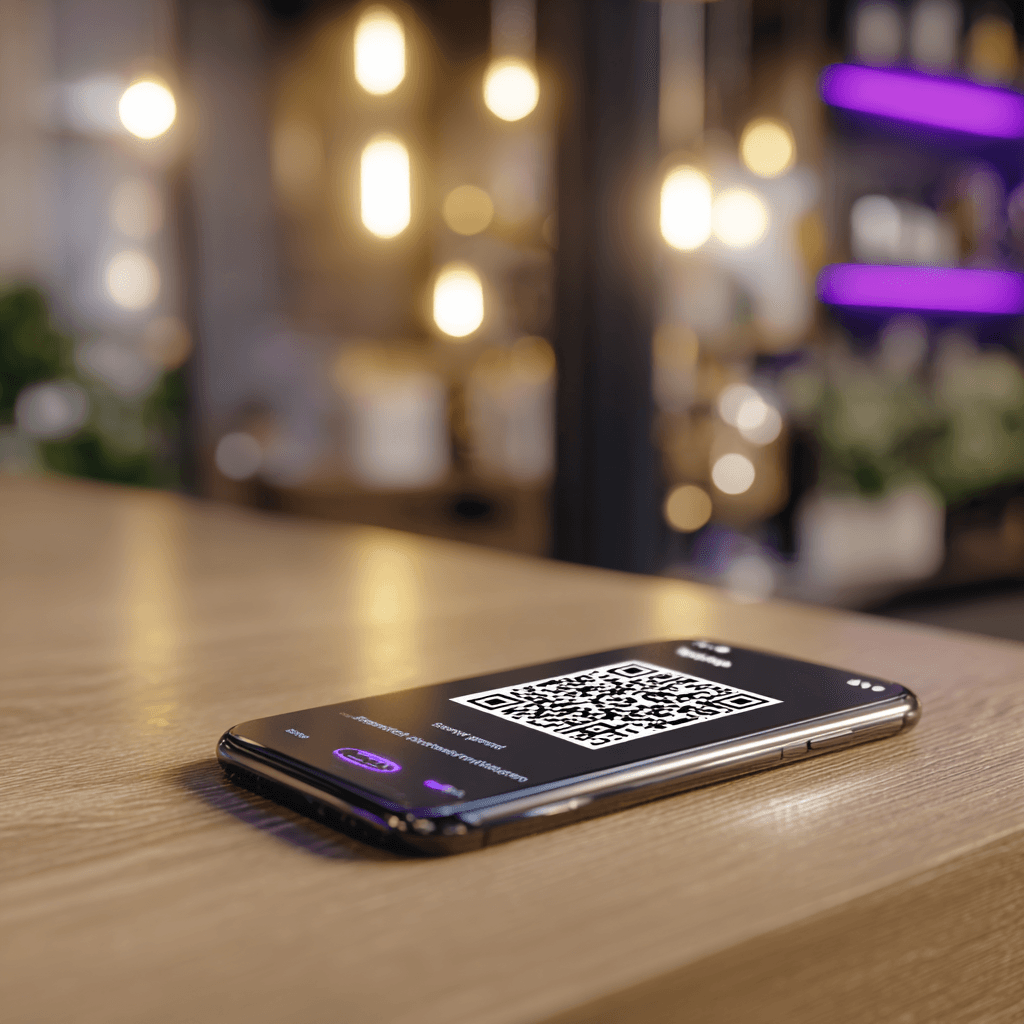
The clean pattern: customers book through your existing booking system as normal, choosing whatever appointment slot they like. When they arrive, the membership is checked at payment. The redemption is "your monthly cut is included — that'll be £0 today, your card will be charged the monthly fee on the 1st as usual."
PerkClub is built around this — intentionally booking-agnostic — because barber clients are deeply loyal to their booking tool. Forcing them to migrate creates a 6-month onboarding pain that no membership platform can earn back.
Operational implication: your redemption flow has to be 30 seconds at the till. Tap a screen, confirm the membership, charge the customer for any add-ons (beard trim, retail product, head-shave), done.
Design choice 4: referral mechanics from month two
Don't introduce referrals on day one. You want a clean cohort to measure your initial conversion against. From month two onwards, add a "bring a friend" mechanic.
The reliable structures:
- "Bring a friend, get a free beard trim next visit" — costs you £8 of margin, brings a paying member.
- "Refer a mate, free month for both of you" — more aggressive, faster compounding.
- "Bring two mates, free haircut for you" — high-bar but higher-quality referrals.
Make the offer visible in-shop and in your booking confirmation emails. Most barber referrals come through the chair conversation, not online.
A 90-day launch path for a barbershop membership
This is the abbreviated version. For the broader subscription playbook, see the 8-week launch playbook.
Days 1–14: design and set up. Pick the offer ("Tuesday or Wednesday cut, £25/month"). Set up your PerkClub account. Build a single-page sign-up flow. Create a one-line conversation script: "If you're going to come this often, the Tuesday-Wednesday club saves you a fiver and you don't have to wait for a Saturday slot."
Days 15–30: identify the cohort and brief the team. Pull a list of your top 100 returning clients from your booking system. Tag the ones who currently book Saturdays — they're your priority conversion targets. Brief every barber on the offer and the script.
Days 31–45: soft launch through chair conversation. Don't email-blast. Train your team to mention the membership when a regular books their next Saturday cut. Most early sign-ups come this way. Realistic target: 20–40 active members by day 45.
Days 46–60: full launch with in-shop signage and team incentives. Make the offer visible at the till and in your booking confirmation emails. Tie a small bonus (£2–£3 per net new sign-up) to barber sign-up performance. Realistic target: 50–80 active members by day 60.
Days 61–75: optimise capacity and watch churn. Look at when members are actually booking. If they're all booking Tuesday 4pm and your shop has capacity at Tuesday 11am, narrow the restriction to specific time bands. Watch month-1 churn; if above 10%, your booking experience for members has too much friction.
Days 76–90: introduce referrals and consider tier two. Add the "bring a friend" mechanic. If you have 60+ active members and clean activation, consider tier two — typically "everything Tue/Wed including beard trim" at £35–£40/month.
By day 90, most barbershops running this playbook hit 80–120 active members per shop. £2,000–£3,000 of MRR. £24K–£36K of booked annual revenue, landing primarily on Tuesdays and Wednesdays.
Common design mistakes that kill barbershop memberships
Pricing the membership at the same level as walk-in. Customers won't see value. Conversion stalls.
No day restriction in a shop with full Saturdays. Members migrate to Saturday slots, you discount your best day, and your operational model gets worse.
Forcing customers to use a new booking flow. Barbershop customers are loyal to their booking tool. The friction kills sign-ups.
Stacking three tiers at launch. Pick one. Add a second only after 50+ members on the first. Three tiers fragment your data and confuse your team.
Skipping the chair conversation. Barbershops sell in the chair. The owner who relies on Instagram and email to drive sign-ups will always lag the owner whose team mentions the membership at every Saturday booking.
For the deeper trade-off between membership and other loyalty models, see subscription vs stamp card vs points.
Bottom line
A barbershop membership that fills quiet days requires four design choices: day or time restrictions, pricing at 80–90% of retail, redemption that doesn't break your booking system, and referrals from month two. Get those right and 80–120 active members per shop in 90 days is achievable. PerkClub is the platform built for the design. If you'd like to talk through how the design fits your shop, the team is happy to walk through your numbers.